Car accidents involving recalled vehicles raise serious questions about responsibility and safety. Whether a defect caused the crash or worsened your injuries, knowing what to do immediately afterward can make a significant difference in your ability to pursue compensation.
What Should I Do Right After the Accident?
After any collision, your first steps should be checking for injuries, moving the vehicle to a safe location, and calling 911. If an ambulance is not needed, get a prompt medical evaluation because many personal injuries do not present immediate symptoms.
What Should I Do Before Leaving the Scene?
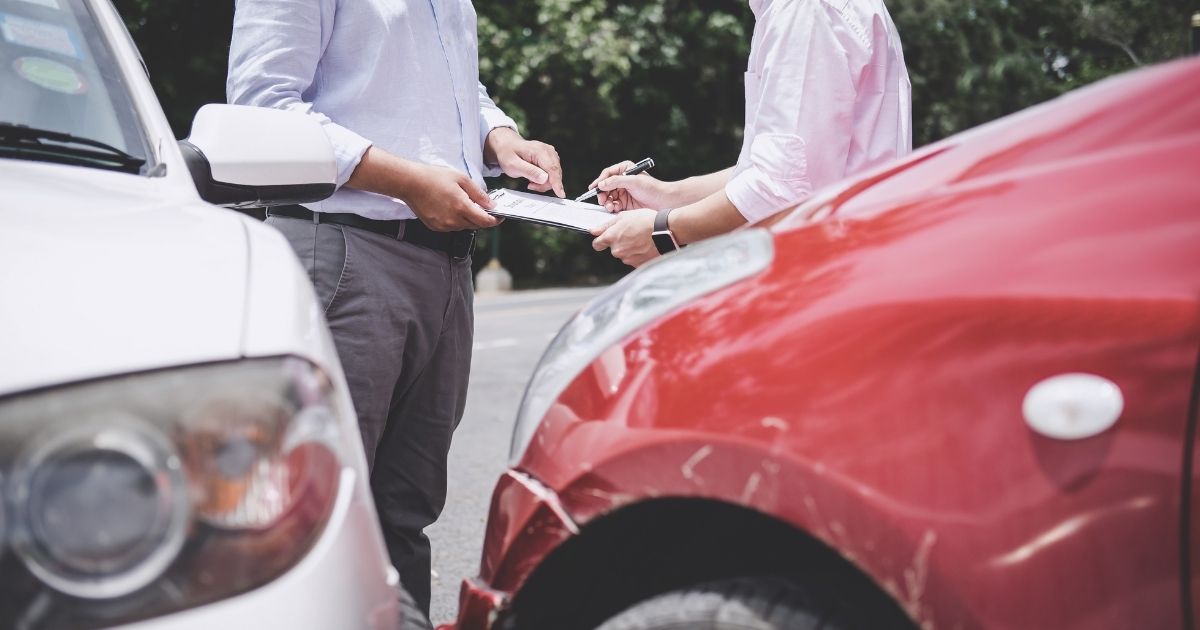
If possible, exchange information with the other driver and gather the names and contact details of any witnesses. Take photos of the vehicles, the accident scene, and any visible injuries; ask a responding officer how to get a copy of the police report. Keep your vehicle in its post-accident condition until it can be inspected, as this may preserve valuable evidence related to a recall issue.
How Can I Check if a Recall Is Involved?
You can verify if your vehicle was under recall by checking the National Highway Traffic Safety Administration (NHTSA) website. Enter your vehicle identification number (VIN) to see if any active recalls apply to your make and model. Manufacturers are required to notify owners of recalls, but letters can be missed or sent to outdated addresses.
Who Might Be Liable When a Recalled Part Causes an Accident?
When a recalled vehicle or part contributes to an accident, several parties may share responsibility. To start, the manufacturer can be held accountable for selling a defective product. In some cases, dealerships or mechanics who failed to repair or replace recalled components may also bear liability. If another driver’s actions contributed to the collision, that party’s negligence can factor into the case as well. Determining liability often involves technical investigation and legal analysis.
Can I File a Claim Against the Manufacturer?
If a recalled vehicle defect caused your injuries, you may have grounds for a product liability claim against the manufacturer. These claims argue that the vehicle or part was defective in design, manufacturing, or marketing. You might be eligible to pursue compensation for medical expenses, property damage, lost wages, and pain and suffering.
What if I Did Not Know About the Recall?
Many drivers only learn about recalls after an accident occurs. The law recognizes that manufacturers have a duty to notify consumers of safety issues; if you did not receive notice of a recall or had no opportunity to repair the defect, you may still be able to file a claim. Lack of awareness does not remove the manufacturer’s responsibility for producing a defective product.
How Do Recalled Parts Affect Insurance Claims in Brooklyn?
Insurance companies may investigate whether a recall contributed to an accident. If a defect is proven, the manufacturer may share financial liability with the at-fault driver. However, your own insurance policy may initially cover medical bills or vehicle repairs while the case develops. It is important to notify your insurer promptly and provide any recall-related information.
What Happens if the Recall Repair Was Done Incorrectly?
If your vehicle was repaired under a recall but the fix failed, liability may extend to the dealership or repair shop. Improper workmanship can reintroduce risk, leading to further harm. Records of service visits and repair receipts can demonstrate that the issue was not resolved properly, and holding negligent repair facilities accountable can prevent similar incidents for other drivers.
Brooklyn Car Accident Lawyers at Rubenstein & Rynecki Help Drivers Take Decisive Legal Action
If you have questions about a crash involving a recalled vehicle, contact our Brooklyn car accident lawyers at Rubenstein & Rynecki. We are ready to help you take decisive action. Call 718-522-1020 or complete our online form today for a free consultation. Located in Brooklyn, NY, we serve clients in the surrounding area.