Key Takeaways
- New York’s current rule for car accident injury lawsuits bars recovery when your fault exceeds the combined fault of the other parties.
- If your share of fault is equal to or less than theirs, you can still recover damages, but your percentage of fault reduces your compensation.
- No-fault insurance pays covered medical expenses and lost wages regardless of who caused the crash.
- Video footage, witness accounts, and crash reconstruction can help establish fault.
If you were partially at fault for a car accident in Brooklyn, you may still be able to recover compensation for your injuries. However, your share of fault affects how much you can recover from other drivers.
How Does Comparative Negligence Work in New York?
For decades, New York followed “pure comparative negligence.” Under that rule, an injured person could recover damages even if they bore most of the blame.
However, in 2026, New York amended that law for motor vehicle accidents: Now, the law bars recovery if your share of fault exceeds the defendant’s share or the combined share of multiple defendants.
You can still recover compensation if your share is equal to or lower than theirs, although your fault reduces your damages proportionately. If you and the other driver each bear 50% of the responsibility, for example, you can recover half of your otherwise recoverable damages.
How Is Fault Split in Common Brooklyn Crashes?
Determining fault requires examining what each driver did and how those actions contributed to the collision, and more than one driver can bear responsibility.
In a left-turn crash, for instance, investigators may examine whether the turning driver yielded, who had the right of way, and how fast each vehicle was traveling.
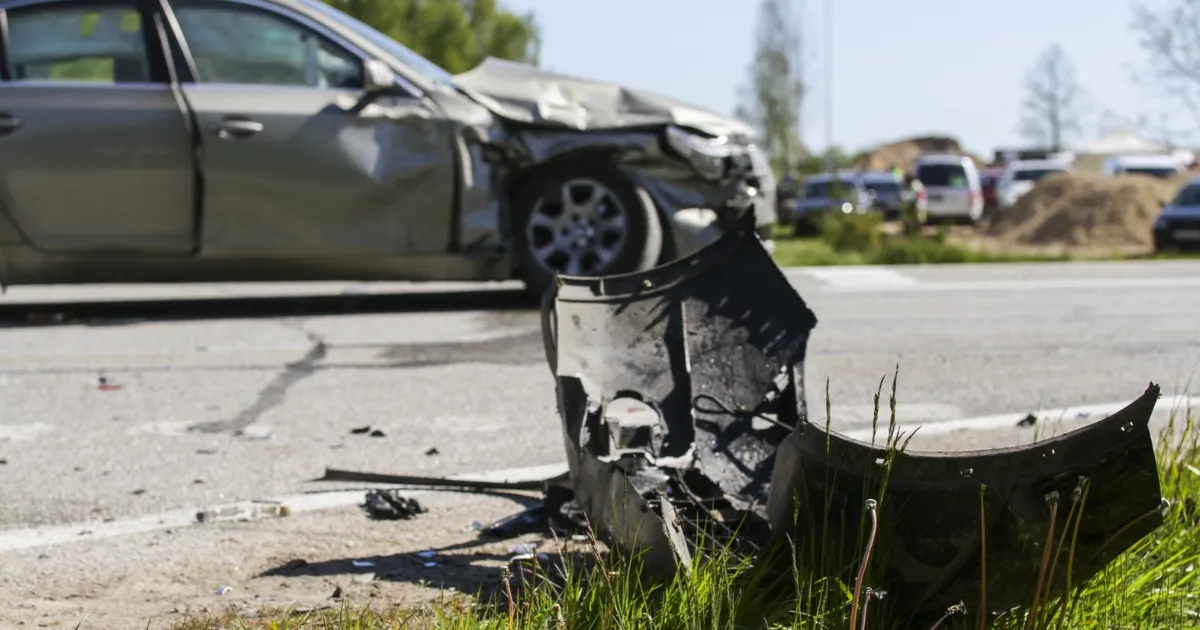
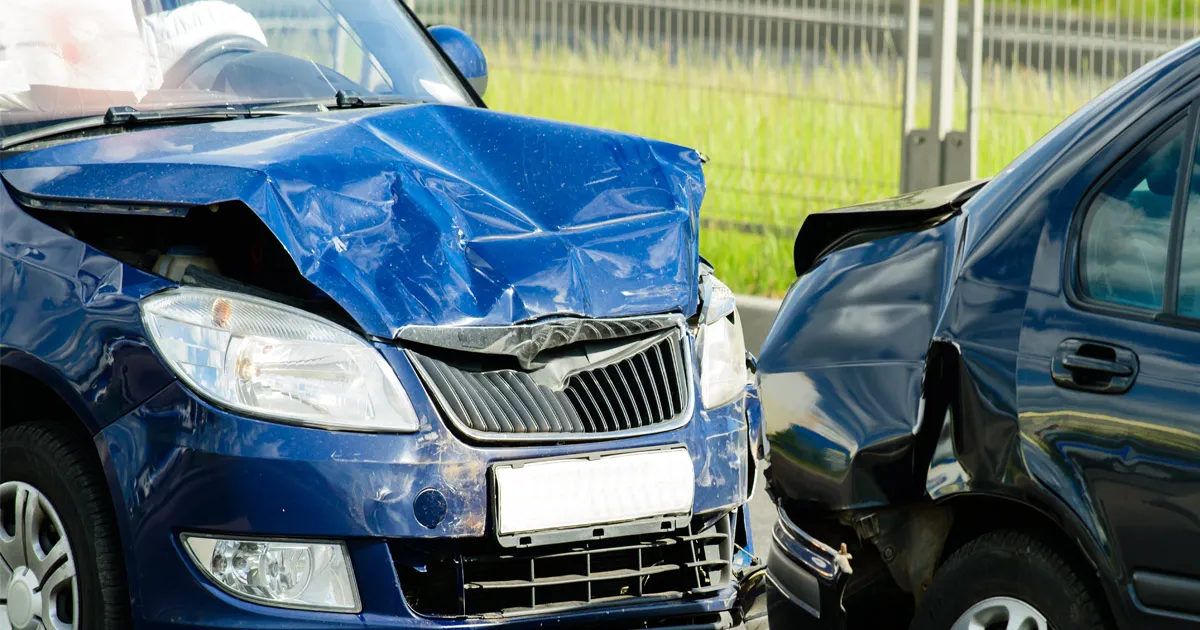
Photographs of the scene of the accident, the damage to the vehicles, witness accounts, and video footage can help paint a picture of what happened and how each driver contributed to the crash.
How Do Insurance Companies Use Fault Against You?
An insurance company may blame you for part of the accident to justify a lower settlement offer or argue that the law bars your recovery. To bolster their argument, an adjuster might rely on your statements, the police report, vehicle damage, or accounts of who had the right of way.
You can challenge the insurer’s arguments: Review the evidence behind it, document any errors, and keep copies of letters and other claim communications.
What Evidence Can Lower Your Percentage of Fault?
Video, photographs, witness accounts, vehicle information, and crash reconstruction can help challenge an inaccurate account of the collision.
Photograph the vehicle damage, road conditions, traffic signals, lane markings, and anything that blocked your view. Save dashcam footage and witnesses’ contact information, and note any nearby cameras so you or your lawyer can request recordings.
Preserve all of this evidence promptly, especially recordings that camera owners or recording systems may delete or overwrite.
Frequently Asked Questions
Can I recover if I was 50% at fault?
Yes, if the opposing driver or drivers together also bore 50% of the fault, the comparative negligence rule allows you to recover half of your otherwise recoverable damages. You must still meet the other requirements for an injury lawsuit. Our New York car accident lawyers can review disputes over liability or insurance coverage.
What if I got a ticket?
An insurer may consider a traffic ticket alongside other evidence when assessing fault. Keep the citation and records showing how you resolved it, and give them to your lawyer when discussing the crash.
Who decides fault percentages?
Insurers assess fault while handling a claim, and the parties may negotiate those percentages during settlement discussions. If the case goes to trial, the judge or jury determines fault based on the evidence.
Should I admit fault at the scene?
Describe what happened accurately and avoid guessing about the cause or drawing conclusions about legal responsibility. Check for injuries and document the scene when you can do so safely.
Does no-fault insurance pay for vehicle repairs?
No-fault insurance covers eligible injury-related economic losses. For vehicle repairs, you generally pursue payment through applicable collision coverage or a property damage claim against the responsible driver’s insurer.
Brooklyn Car Accident Lawyers at Rubenstein & Rynecki Fight for Fair Compensation When Insurers Dispute Fault
If an insurer blames you for a crash, contact the Brooklyn car accident lawyers at Rubenstein & Rynecki. Our attorneys will review the evidence, challenge an unfair fault assessment, and pursue compensation for your injuries. Call us at 718-522-1020 or complete the online contact form for a free consultation. With offices located in Brooklyn, we proudly serve all clients throughout New York City.