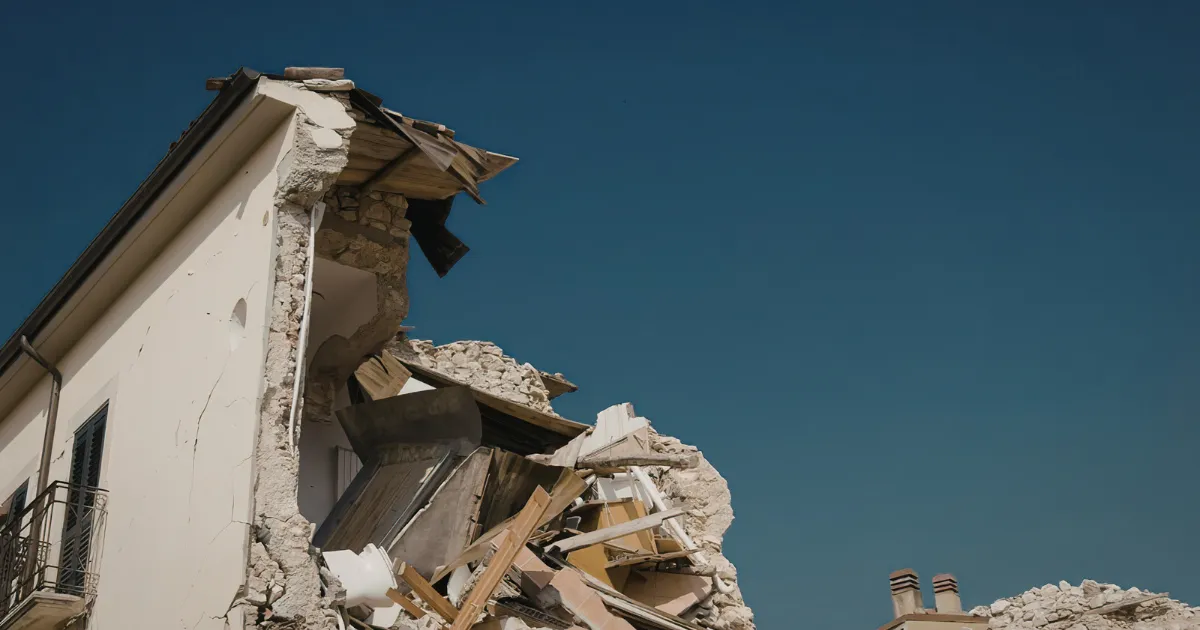
A three-story building near Flatbush and Bedford Avenues collapsed into a neighboring construction site just after 4 p.m. Wednesday. As of Thursday morning, the FDNY reported eight people killed and at least 17 injured, including three firefighters. The collapse has shaken people across Brooklyn, especially those who live near active construction or walk past open excavation sites every day. We extend our condolences to the families who lost loved ones and our wishes for a full recovery to everyone who was hurt.
Below is a summary of the information available so far and an explanation of the legal issues that injured people and grieving families may face.
What We Know So Far
According to the FDNY, the building at 1321 Flatbush Avenue fell into an open excavation site at 2625 Bedford Avenue. The four-unit building, dated to 1930, was occupied when it came down. Workers were in the pit doing excavation work at the time.
The collapse also tore away the side wall of a neighboring three-story residential building and left its interior exposed. Children were among the injured.
Rescue crews searched through the night with drones and K-9 units. The Department of Buildings said the developer of the construction site had active permits for excavation and foundation work, and the city has issued a full stop-work order.
City officials are investigating the condition of the collapsed building and the construction site next door. No official cause has been announced.
Why Are Building Collapse Cases Different From Other Injury Cases?
A collapse next to a construction site usually involves several parties and several investigations at once. For instance:
- The Department of Buildings controls access to the site while it investigates, and its findings can take months.
- New York City’s building code sets specific rules for protecting neighboring buildings during excavation.
- A single project can involve a developer, a general contractor, excavation subcontractors and engineers, each with its own insurance company.
Those insurers and their defense lawyers often start working on a case soon after a collapse. Families and injured people can get legal advice before the city releases its findings.
Who Can Be Held Responsible After a Building Collapse?
Investigators have not yet determined what caused Wednesday’s collapse. In cases like this one, more than one party may share responsibility.
Depending on the evidence, those responsible parties can include the following:
- The developer of the construction project
- The general contractor
- Excavation and foundation subcontractors
- Engineers who designed the shoring or support plan
- The owner of the collapsed building
- The owner of the construction site
New York courts have held that a party digging next to an existing building has a strong duty to protect it, and can be held liable when the excavation damages that building.
What About the Construction Workers?
Workers hurt on a job site usually receive Workers’ Compensation. That is often not the end of the story.
New York Labor Law Section 240, often called the “Scaffold Law,” and Section 241(6) can allow injured workers to sue owners and general contractors who were not their direct employer. These laws are among the strongest worker protections in the country.
What About Neighbors and Displaced Tenants?
A collapse in a residential area can injure people next door, damage their belongings, and force them out of their homes.
If the collapse damaged your apartment or forced you to leave, you may have a claim against the responsible parties to recover compensation for hotel bills, lost income, lost property, and other related expenses.
If you live near Flatbush and Bedford Avenues and were affected, photograph any damage, keep all receipts for expenses related to your displacement, and consider speaking with a lawyer before signing documents from an insurance adjuster.
New York Wrongful Death Claims and the Deadlines That Matter
New York’s Wrongful Death Law allows a claim when someone dies because of another party’s negligence. The personal representative of the estate brings the claim on behalf of the estate and the family members who depended on the person who died.
Depending on the circumstances, damages can include funeral and medical expenses, lost financial support, and the value of the care and guidance the person would have provided to their family.
New York generally allows two years from the date of death to file a wrongful death lawsuit. Most personal injury claims must be filed within three years, and a claim involving a city agency can require a formal notice within 90 days.
Talk to Our Compassionate Brooklyn Personal Injury Lawyers Today at Rubenstein & Rynecki to Get the Compensation You Deserve
If you were hurt in the Flatbush collapse, lost a loved one, or were injured in any other construction accident, give our Brooklyn personal injury lawyers at Rubenstein & Rynecki a call today at 718-522-1020 or fill out our online contact form for a free consultation. Our firm is ready to work directly with you from start to finish. Located in Brooklyn, New York, we have represented Brooklyn families since 1972, and we proudly represent victims across Brooklyn and throughout New York City in construction accident, wrongful death, and serious injury cases.