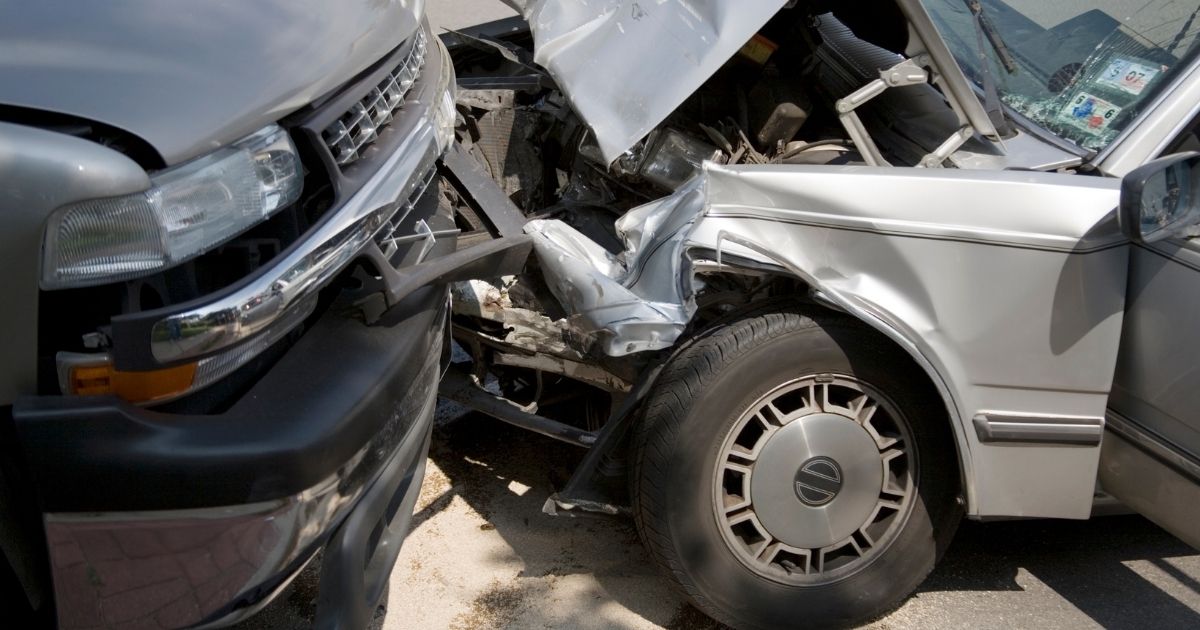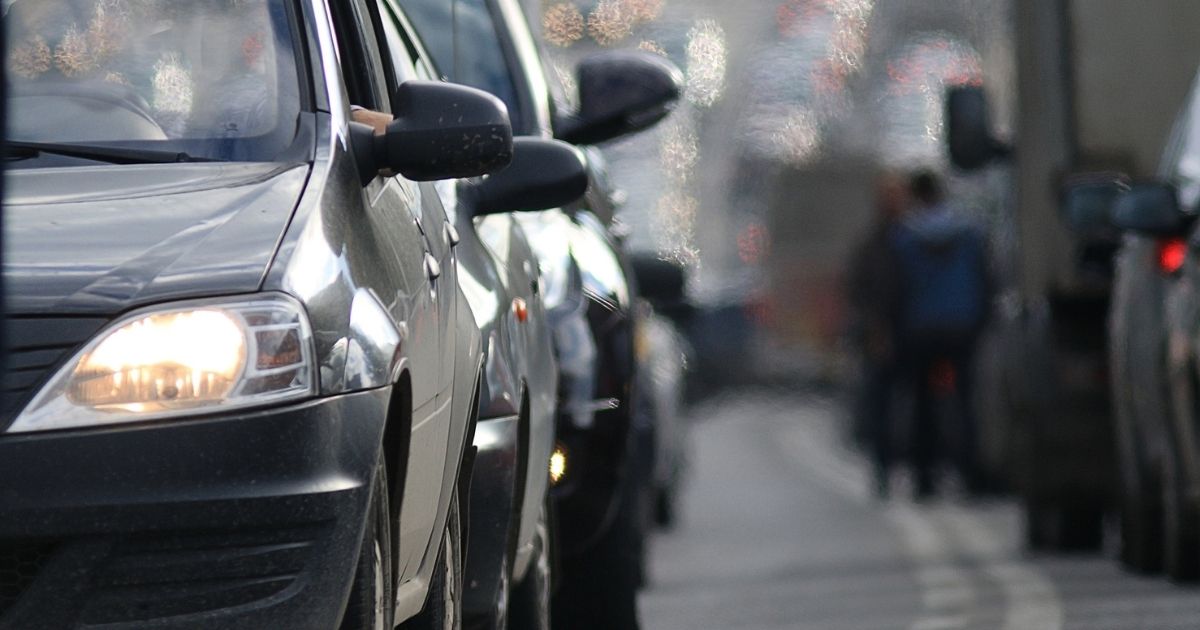
Traffic moves constantly through downtown Brooklyn, where drivers, pedestrians, and cyclists share crowded streets every day. Many people commute to offices, shops, and transit hubs, while delivery vehicles, rideshares, and buses add to the flow. Because traffic signals, turning vehicles, and lane changes happen at the same time, movement can feel unpredictable. These traffic patterns are some of the most challenging anywhere; even the most experienced drivers end up getting into car accidents.
Why Is Downtown Brooklyn So Busy with Traffic?
Downtown Brooklyn serves as a major commercial and transit hub, which draws commuters throughout the day. Several major roads connect here, while nearby bridges and highways funnel vehicles into local streets. Because business activity remains steady, traffic rarely slows for long. Although public transit reduces some vehicle use, personal cars, taxis, and delivery trucks still crowd intersections, increasing collision risks and personal injury.
What Are the Most Dangerous Streets in Brooklyn?
Roads such as Atlantic Avenue, Flatbush Avenue, and Eastern Parkway carry large traffic volumes while connecting major neighborhoods and bridges. Streets bordering major bus terminals, subway entrances, and commercial centers can be even more hazardous: Areas near Barclays Center and Atlantic Terminal see frequent pick-ups, drop-offs, and sudden lane changes. Double parking, delivery activity, and heavy pedestrian crossings increase hazards, especially where vehicles merge near transit stops and crowded intersections daily.
How Do Brooklyn Intersections Increase Collision Risk?
These intersections create multiple crossing points where vehicles, cyclists, and pedestrians meet. Drivers must watch signals and surrounding movement, while timing and spacing remain critical for safety. Because vehicles approach from different directions, reaction time becomes limited. Although traffic lights regulate flow, sudden stops and signal violations still occur, which raises the likelihood of crashes.
How Do One-Way Streets Affect Drivers?
One-way streets improve traffic flow because vehicles move in the same direction, which reduces head-on conflicts. However, faster movement may encourage sudden lane changes or speeding. Drivers unfamiliar with the area may hesitate or turn incorrectly, while others may not expect sudden stops. Although one-way systems improve efficiency, they still require careful attention to prevent collisions.
Why Do Turning Vehicles Cause So Many Crashes?
Turning vehicles interrupt the steady flow of traffic because they must slow down or cross active lanes. Left turns often expose vehicles to oncoming traffic, while right turns may intersect with pedestrians or cyclists. Because turning depends on timing and judgment, small errors increase collision risk. Although signals provide structure, driver impatience or misjudgment still leads to crashes.
How Do Pedestrians and Cyclists Affect Traffic Flow?
Pedestrians and cyclists add movement patterns that differ from vehicle traffic, which affects how drivers respond. Crosswalk activity may require sudden stops, while bike lanes introduce additional awareness demands. Because people move at slower speeds, drivers must adjust quickly. Although traffic laws define right of way, unpredictable movement still increases the chance of collisions.
How Does Construction Change Traffic Patterns?
Construction alters normal traffic routes because lanes may close or shift temporarily. Drivers must follow new signs or merge unexpectedly, while congestion often increases near work zones. Because familiar routes change, drivers may hesitate or stop suddenly. Although construction improves infrastructure over time, temporary disruptions create conditions that increase crash risk.
What Times of Day See the Most Collisions?
Collision rates in Brooklyn often rise during morning and evening rush hours because traffic volume increases sharply. Drivers may face congestion, while frequent stops reduce reaction times. Lower visibility during early morning or evening hours also affects awareness because more vehicles share limited space and traffic density increases, increasing the likelihood of crashes.
Brooklyn Car Accident Lawyers at Rubenstein & Rynecki Help You Regain Control
If you were injured in a collision in downtown Brooklyn and need legal advice, contact our Brooklyn car accident lawyers at Rubenstein & Rynecki. We will fight to protect your rights and secure fair compensation. Call us at 718-522-1020 or complete our online form today for a free consultation. We are located in Brooklyn.