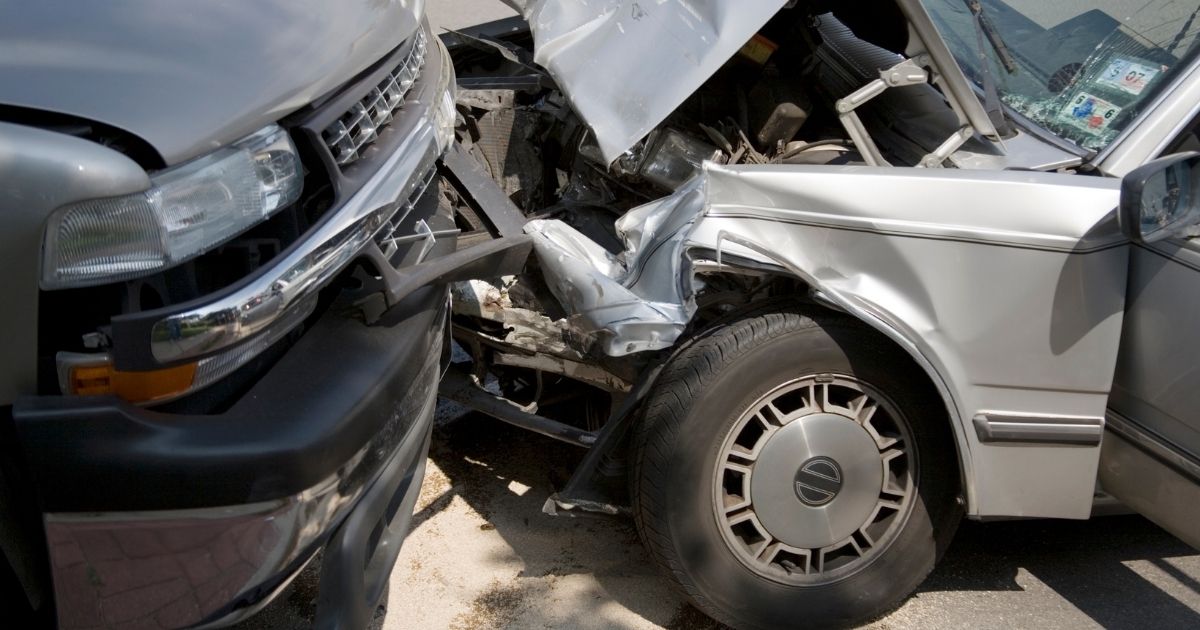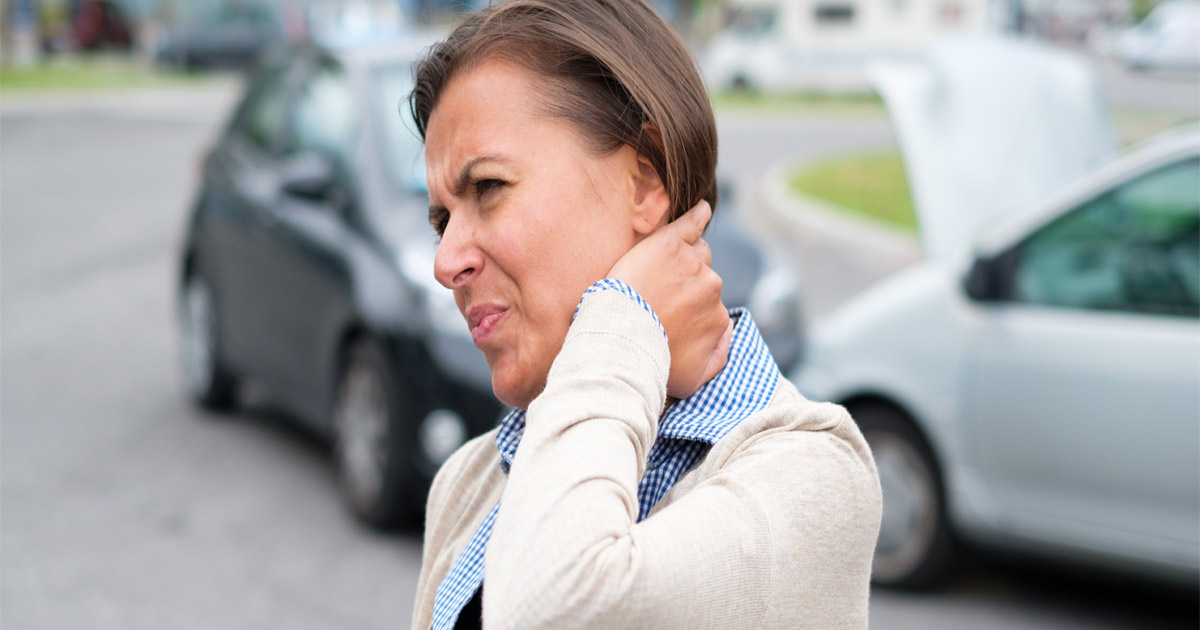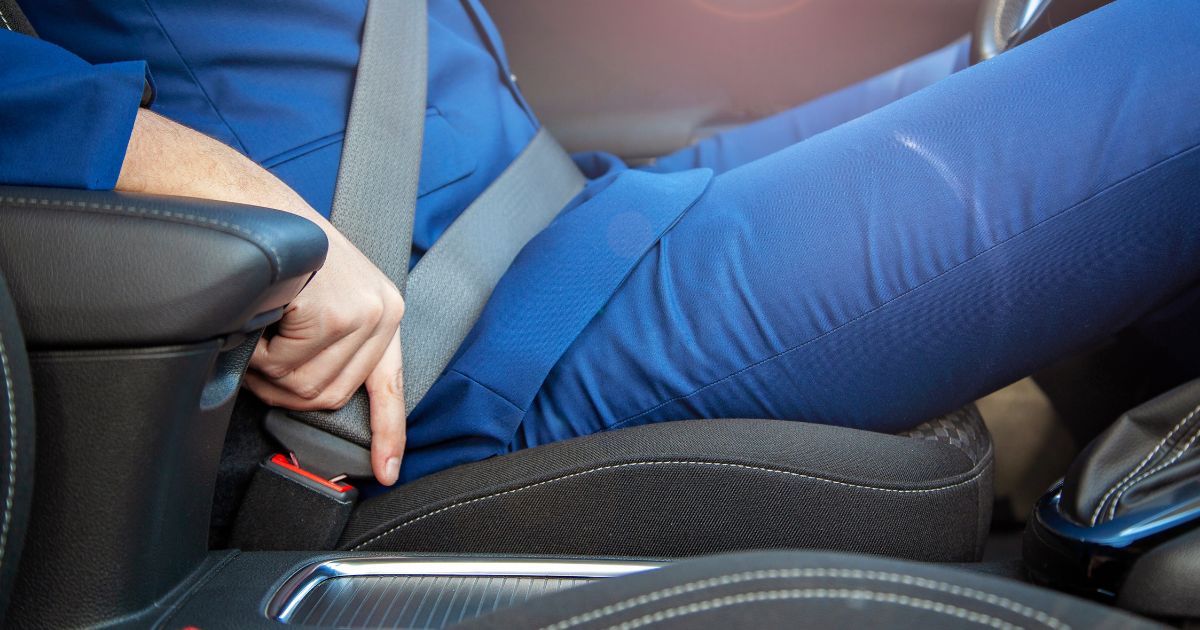
A seat belt can be your lifeline in a car accident, keeping you from being thrown from the vehicle or hitting the dashboard. But the same restraint system that saves your life can also injure you. During a collision, your body lurches forward while the belt locks tight across your chest and shoulder, creating tremendous force on your shoulder joint. Different types of shoulder and rotator cuff injuries can be caused by those forces.
What Is a Rotator Cuff Contusion in a Car Accident?
A contusion happens when the seat belt strap crushes the soft tissue of your shoulder during impact. The compression bruises the rotator cuff muscles and tendons that keep your shoulder stable. Although you might dismiss the initial soreness as minor, the injury typically worsens over the following days as inflammation sets in. Many people find they cannot lift their arm without sharp pain or perform simple tasks such as reaching for items on a shelf.
How Do Seat Belts Cause Rotator Cuff Tears?
When your car suddenly stops during a crash, your body does not. You pitch forward while the belt pulls you back, creating a tug-of-war at your shoulder. This extreme force can partially or completely tear one or more of the four tendons that make up your rotator cuff. The damage may stem from direct pressure where the belt digs into your shoulder or from the whipping motion that overstretches the tendons past their breaking point.
What Is Shoulder Impingement After a Collision?
Impingement happens when your rotator cuff tendons get pinched between bones in your shoulder. The seat belt force causes swelling and inflammation that narrow the space where these tendons normally glide. As the swollen tendons rub against the bone above them, you feel pain and grinding with arm movement. Lifting your arm to the side or overhead becomes particularly painful because these motions squeeze the already cramped space even tighter.
Can a Seat Belt Tear Your Shoulder Labrum?
The labrum is a rim of cartilage that lines your shoulder socket and keeps the joint stable. Forceful restraint from a seat belt can rip this cartilage, particularly if your body twists during impact. A torn labrum often creates clicking or popping sounds when you move your arm. You might also feel like your shoulder could slide out of place during certain motions, along with persistent deep aching that does not go away with rest.
What Is Seat Belt Syndrome in Shoulder Injuries?
Seat belt syndrome describes a cluster of injuries that follow the path of the restraint across your body. Along your shoulder, this can include bruising, muscle strains, pinched nerves, and even fractures of your collarbone or shoulder blade. Doctors recognize this injury pattern because the diagonal strap leaves telltale signs. The distribution of damage matches exactly where the belt crosses your chest and shoulder during a crash.
How Do Rotator Cuff Strains Differ From Tears?
A strain means the muscle fibers or tendons have been overstretched but remain intact, but a tear is when the tissue has actually ripped apart. Strains usually respond well to rest and physical therapy within a few weeks. Tears are more serious and may take months to heal, sometimes requiring surgery.
Can I Receive Compensation for Seat Belt Injuries in Brooklyn?
Yes, you can pursue compensation for shoulder and rotator cuff injuries caused by seat belt forces if another driver was at fault for the crash. Your claim may cover medical bills, lost wages, physical therapy costs, and pain from reduced mobility. The fact that your seat belt caused the injury does not eliminate your right to recovery. Insurance companies sometimes argue that seat belt injuries are minor, but rotator cuff damage often requires extensive treatment and can affect your ability to work and perform daily activities.
Brooklyn Car Accident Lawyers at Rubenstein & Rynecki Help You Recover Compensation for Your Injuries
If you were involved in a motor vehicle crash and sustained seat belt injuries to your shoulder, contact the Brooklyn car accident lawyers at Rubenstein & Rynecki. We will fight to protect your rights and help you recover fair compensation. Call us at 718-522-1020 or complete our online form today for a free consultation. We have offices in Brooklyn, NY, and serve clients in the surrounding areas.