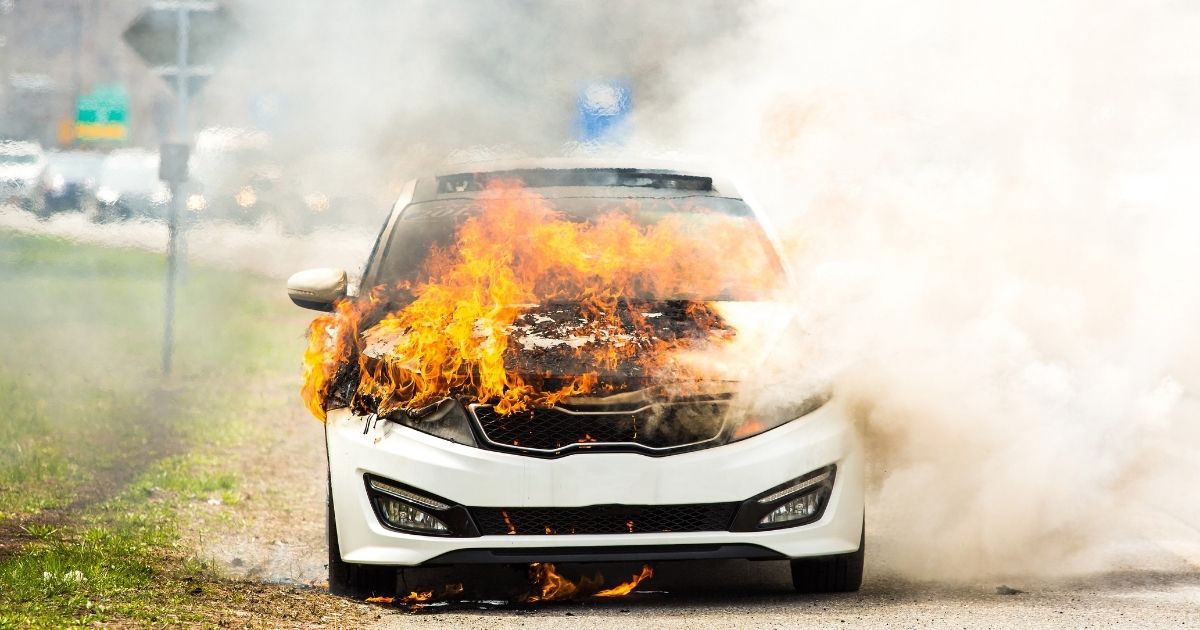
Vehicle fire is a frightening and dangerous emergency that can escalate rapidly. Whether triggered by mechanical failure, a collision, or an electrical issue, flames in a car pose immediate threats to life and property. Knowing how to respond quickly can reduce injury and damage, and understanding your legal rights afterward is equally important.
What Are the Warning Signs of a Possible Vehicle Fire?
Before you see flames, several warning signs might signal a problem:
- The smell of gasoline, burning rubber, or melting plastic.
- Smoke coming from under the hood or near the dashboard.
- Warning lights on the dashboard, especially temperature or oil indicators.
- Unusual sounds such as loud popping or sudden engine stalling.
If you notice any of these signs, safely pull over, turn off your engine, and exit the vehicle immediately.
If your vehicle catches fire while driving, pull over safely as soon as possible. Once stopped, turn off the ignition to stop fuel flow. Everyone should exit the vehicle immediately and move at least 100 feet away, avoiding standing near the hood or trunk where explosions could occur.
Call emergency services right away. Do not attempt to extinguish the fire unless you are trained and have the proper type of fire extinguisher. Opening the hood or trunk can introduce oxygen, making the fire worse and risking injury.
What Causes Vehicle Fires?
Car fires often stem from:
- Fuel system leaks, which can ignite from heat or sparks.
- Electrical system failures or short circuits, especially in modern vehicles with complex wiring.
- Engine overheating.
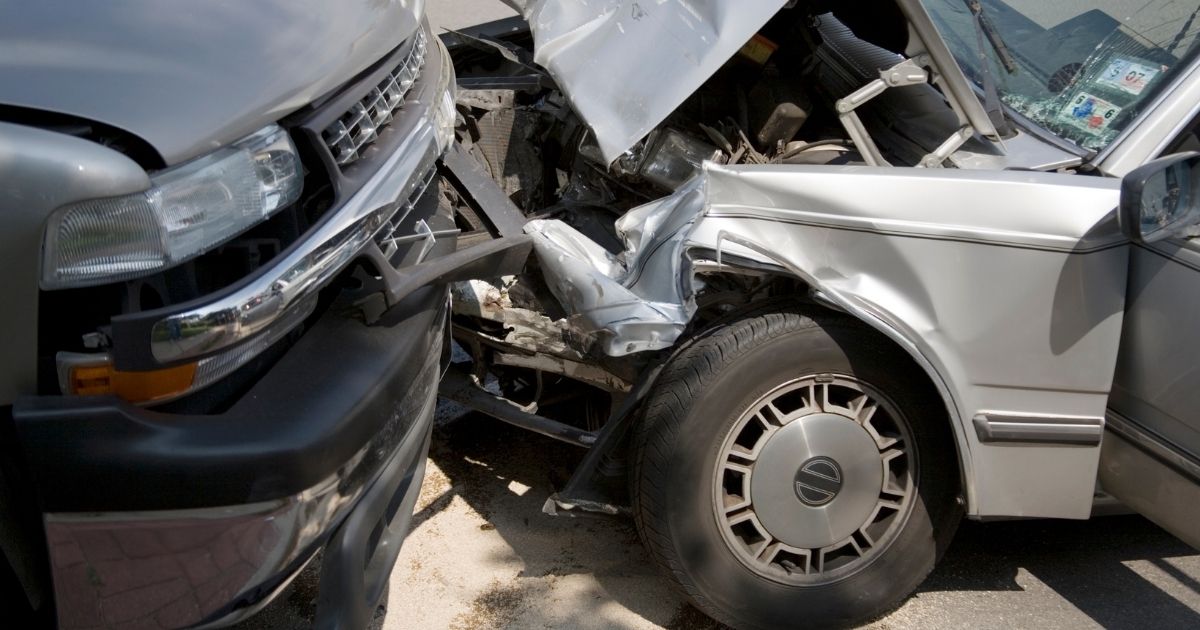
- Accidents that rupture fuel lines, batteries, or other components.
- Manufacturing defects, poor maintenance, or improper repairs.
- Aftermarket parts or accessories installed incorrectly.
Determining the exact cause may require expert investigation.
Can I File a Legal Claim After a Vehicle Fire?
Yes, you may have legal options if the fire was caused by:
- A manufacturing defect.
- Mechanical failure due to negligent maintenance or repair.
- Another driver’s negligence led to a collision that caused the fire.
If you suffered injuries or significant property loss, you might pursue compensation through product liability claims, personal injury lawsuits, or insurance claims. An investigation into the fire’s origin—through accident reconstruction, fire analysis, or review of maintenance records—is often necessary. Multiple parties may share responsibility.
What If Another Driver’s Negligence Caused the Fire?
If another driver’s actions caused the collision that led to your vehicle fire, that party could be held liable for your damages. Compensation might cover medical bills, vehicle damage, lost income, and other related losses. Eyewitness accounts, dashcam footage, and police reports are valuable evidence in these cases.
Our Brooklyn car accident lawyers can help evaluate your case, identify responsible parties, and guide you through the legal process.
Key Takeaways
- Vehicle fires can start from mechanical issues, collisions, or electrical failures, often preceded by warning signs like smoke or strange smells.
- Always pull over safely, turn off the engine, and exit immediately if you suspect or see fire. Stay at least 100 feet away.
- Do not try to extinguish the fire unless trained and equipped properly—call emergency services instead.
- Legal claims may be possible if the fire was caused by defects, poor maintenance, or another driver’s negligence.
- Evidence like police reports, eyewitness testimony, and maintenance records is crucial for building a case.
- Consulting with experienced Brooklyn car accident lawyers can help you understand your rights and pursue fair compensation.
Brooklyn Car Accident Lawyers at Rubenstein & Rynecki Have Experience With Vehicle Fire Cases
If you’ve been involved in a vehicle fire resulting from a collision or defect, the Brooklyn car accident lawyers at Rubenstein & Rynecki can help clarify your legal rights and options. Call us at 718-522-1020 or fill out our online form. Located in Brooklyn, we serve clients in New York City, including Brooklyn, The Bronx, Manhattan, Queens, and Staten Island.