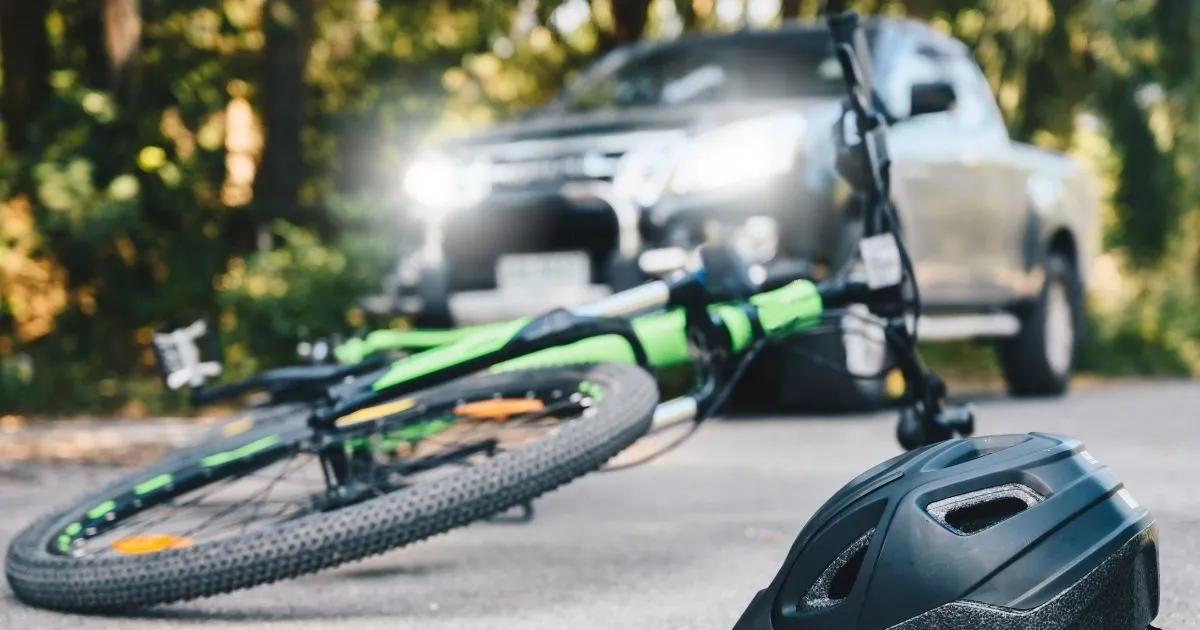
Brooklyn sidewalks are generally bustling with residents, commuters, tourists, and other pedestrians. Unfortunately, in recent years, sidewalks have become increasingly hazardous with the growing popularity of electric bikes and scooters. Although the New York City Department of Transportation (NYCDOT) prohibits people from riding electric bikes and scooters on sidewalks, these rules are not strictly enforced. As a result, residents from Queens, Manhattan, Brooklyn, and the Bronx have reported a significant increase in crashes caused by electric bikes and scooters whizzing by at breakneck speeds. If you or someone you know is seriously injured in an accident involving an electric bike or scooter, it is highly recommended that you contact an experienced bicycle accident lawyer at your earliest convenience.
What Are the Most Common Types of Sidewalk E-Bike and Scooter Accidents?
When someone is riding an electric bike (e-bike) or scooter on a busy Brooklyn sidewalk, there are a number of ways that an accident can occur, including the following:
- A rider strikes a pedestrian from behind. If a pedestrian does not hear an e-bike or scooter approaching, and they do not move to get out of the way, the rider may not be able to stop in time to avoid hitting them.
- A rider crashes into someone leaving a building. When passing an office, apartment building, restaurant, or subway station, there are bound to be people coming and going, which creates sudden changes in pedestrian traffic.
- A rider loses control while avoiding an obstacle. In addition to pedestrians, there may be construction equipment, garbage, parked bicycles, or other objects on the sidewalk that can cause a rider to suddenly swerve and lose control of the e-bike or scooter.
- A scooter is left blocking the sidewalk. If the device is parked in an area that blocks the sidewalk, pedestrians are forced to walk in the street. This can be difficult, and potentially dangerous, for people using wheelchairs, walkers, or strollers.
- A rider enters a crosswalk at a high speed. Pedestrians can be caught off guard if a person riding an e-bike or scooter enters an intersection going too fast.
- A rider collides with another cyclist or pedestrian. When city sidewalks are crowded, a rider may be unable to avoid a collision with a pedestrian, particularly when there are many people moving in different directions at once.
Who Are the Most Common E-Bike Victims?
Young agile adults are able to react quickly and move out of the way of a speeding scooter or e-bike barreling towards them on the sidewalk. However, the following groups of people are more vulnerable and at an increased risk of being hit by an e-bike or scooter that is coming towards them on the sidewalk:
- Senior citizens. There are over 1.2 million older adults living in New York City, many of whom rely on walking to go to the grocery store, medical appointments, and social interactions. The increased number of e-bikes and scooters on sidewalks has made walking on sidewalks a scary and potentially dangerous situation. This is particularly true for older adults who may have balance issues, are slower to react to an unexpected hazard, or are hard of hearing.
- The disability community. Residents, visitors, and tourists who are deaf, visually impaired, who use a wheelchair, or have a disability that affects their movement or cognition are at risk for being hit by an e-bike or scooter rider who is carelessly charging towards them at 20 mph. In addition, if an e-bike or scooter is parked carelessly, or abandoned across a curb ramp, this can block wheelchair access, forcing disabled individuals off the sidewalk and onto the busy streets.
- Young children and parents. Toddlers are naturally curious, and often make sudden movements if they see something that piques their interest. If a child unexpectedly steps in front of an electric vehicle on the sidewalk, this can have devastating consequences if the child is hit. Strollers emerging from store doorways or apartment buildings are also at risk of being hit by a person riding an e-bike or scooter.
What Are the Most Common E-Bike Accident Injuries?
Electric bikes and scooters operate with almost complete silence, which makes it difficult for pedestrians to hear them approaching. If the person operating the e-bike or scooter is on the sidewalk, pedestrians who are exiting their apartment building, stepping out of a store, or simply pausing to check a text message have no time to get out of the way. These electronic vehicles can weigh between 40 and 80 pounds, which can cause serious injuries if a pedestrian is hit while walking on the sidewalk. The following are examples of injuries caused by e-bikes and scooters:
- Lacerations. Deep cuts, scrapes, and torn skin can occur when a pedestrian hits the ground or the e-bike.
- Bone fractures. When an electric bike hits a pedestrian, the force of impact can cause broken arms, legs, ribs, and collarbones, particularly in older adults.
- Spinal cord injuries. Severe collisions can cause serious injuries to the back and neck, which can result in permanent or long-term loss of mobility.
- Internal organ damage. The impact of a high-speed collision can bruise or damage internal organs.
- Traumatic brain injuries. If an e-bike or scooter accident causes a pedestrian to hit their head on the pavement, it can cause serious concussions or long-term brain damage.
Why Are the Laws Against Riding E-Bikes on Sidewalks Difficult to Enforce?
Despite the laws in place that prohibit electric bikes and scooters on New York City sidewalks, enforcing these laws has been challenging for the following reasons:
- Electric bikes and scooters are unregistered. Unlike motor vehicles, which have prominently displayed license plates that can be identified by speed cameras, electric bikes and scooters do not have any identifying markings. If the rider flees the scene after hitting a pedestrian, it can be very difficult for law enforcement to track them down.
- Police officers face safety challenges when pursuing fleeing riders. When sidewalks are congested with pedestrians, a high-speed pursuit can cause more injuries than the initial violation. Police officers are often restricted in how and when they can intervene.
- There is significant tension between corporate delivery apps and public safety. Finally, tech companies set up algorithms that incentivize workers to make as many trips as possible to maintain customer satisfaction and profitability. Delivery workers who are paid per order often ride too fast, and take other shortcuts that endanger pedestrians on the sidewalk.
What Should Pedestrians Do After a Crash?
If you are hit by an e-bike or scooter on a Brooklyn sidewalk, your first priority should be getting immediate medical attention. Call 911 to report the accident and request an ambulance. If you are physically able, take pictures of the location, the e-bike or scooter, your injuries, and the sidewalk conditions. Write down what happened while the details are fresh in your mind. Ask witnesses who saw the crash if they would provide a statement and ask for their contact information. If you intend to pursue legal action, contact an experienced bicycle accident lawyer as soon as possible.
What Steps Should Be Taken to Prevent E-Bike and Scooter Accidents on Sidewalks?
According to the U.S. Consumer Product Safety Commission (CPSC), the number of emergency department (ED) visits involving e-bikes and scooters tripled from 7,700 to 25,400 between 2017 and 2020. In New York City, at least 17 people were killed in electric mobility vehicle accidents in 2021. Resolving this crisis does not mean banning these electric bikes and scooters entirely. However, changes are required in order to ensure safe city sidewalks for pedestrians. Urban planning experts, transportation advocates, and community leaders recommend the following solutions:
- Dedicated micro-mobility Infrastructure. The city must rapidly expand protected bike lanes and create dedicated speed tiers. Fast electric vehicles belong in protected lanes separate from both heavy cars and slow pedestrians.
- Corporate app accountability. Tech delivery platforms should be legally mandated to pay courier workers hourly base wages rather than per-delivery incentives, removing the financial pressure to ride illegally on sidewalks.
- Vehicle registration and license plates. Requiring visible identification tags or license plates on all commercial micro-mobility vehicles would allow automated enforcement cameras and citizens to report reckless riders accurately.
- Public education and community engagement. Comprehensive multilingual outreach campaigns are needed to educate all riders on local traffic laws, pedestrian rights, and sidewalk rules.
- Strict battery quality standards. Enforcing bans on uncertified, non-UL-tested lithium-ion batteries will prevent sidewalk explosions and thermal fires.
Brooklyn Bicycle Accident Lawyers at Rubenstein & Rynecki Represent Victims of E-Bike and Scooter Accidents
If you or someone you know was injured in a bicycle accident involving an e-bike or scooter on a sidewalk, do not hesitate to contact the Brooklyn bicycle accident lawyers at Rubenstein & Rynecki. We will assist you with every step of the claims process, ensure that your legal rights are protected, and pursue the maximum financial compensation you deserve for your injuries. Call us at 718-522-1020 or contact us online to schedule a free consultation. Located in Brooklyn, we serve clients throughout New York City.